

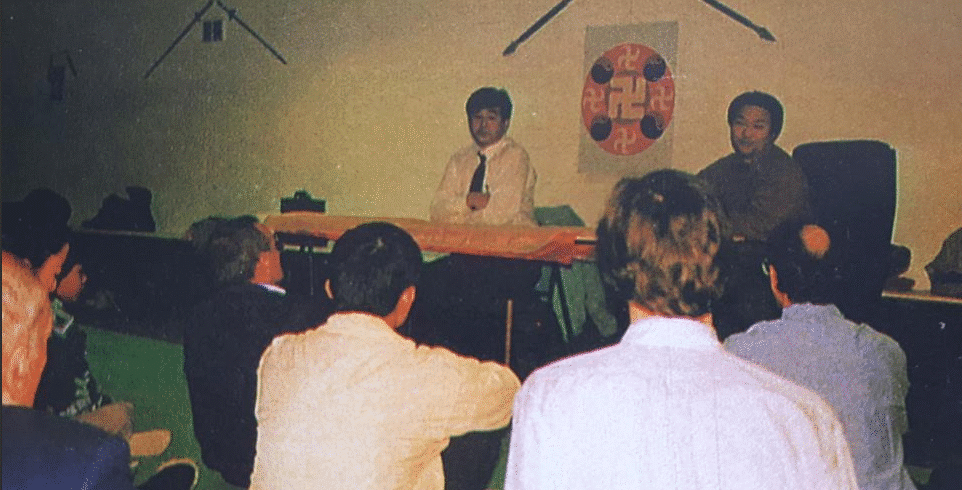
The First Falun Gong Seminar in the West
Then Chinese Ambassador in Paris Hosted a Lecture by Mr. Li Hongzhi at the Embassy
Published May 11, 2026
In March 1995, Mr. Li Hongzhi, founder of Falun Dafa (also known as Falun Gong), traveled to Paris at the invitation of the Chinese Embassy. The visit marked the first formal introduction of the practice outside China and an important milestone in its worldwide spread.
Embassy invitation and Paris seminar
On March 12, 1995, Mr. Li delivered an introductory lecture at the Chinese Embassy’s cultural center, located at 19 Van Loo Street in Paris’s 16th arrondissement. The event drew more than 100 attendees, including embassy staff from multiple departments and then–Chinese Ambassador Cai Fangbai and his wife.
Mr. Li introduced the principles of Falun Dafa—centered on moral cultivation and meditative exercises—and demonstrated the five exercises following the lecture. At the time, Falun Gong was widely regarded in China as a beneficial qigong discipline, and its presentation at an official diplomatic venue reflected this acceptance.
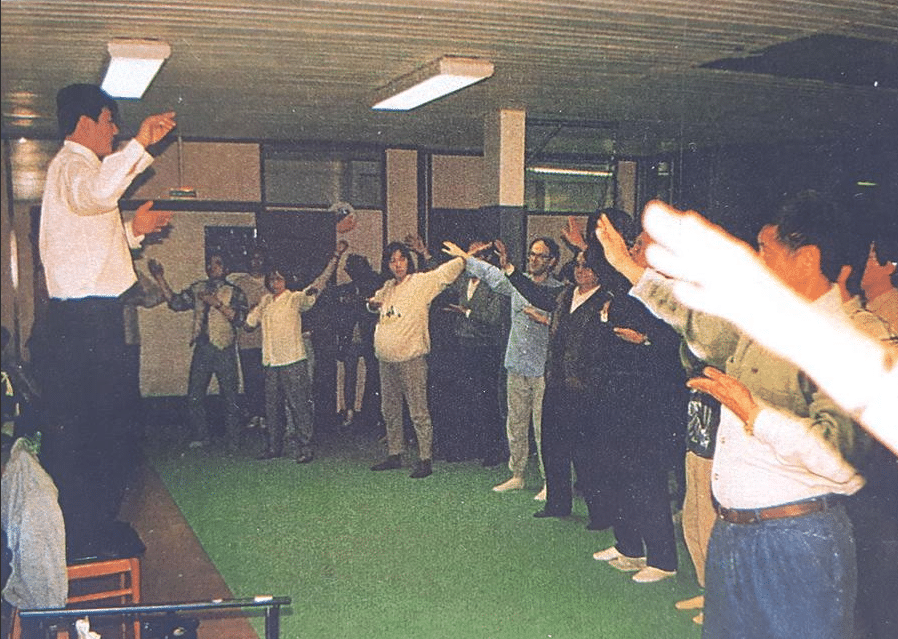
Following the embassy event, a seven-day lecture series was held from March 13 to March 19 at a martial arts gymnasium on Daumesnil Street in Paris’s 12th arrondissement. Approximately 70 participants, both Chinese and Western, attended what became the first Falun Dafa teaching session outside China. The setting was simple—a gymnasium with minimal furnishings—but participants consistently described the atmosphere as calm and focused. Lectures were delivered daily, followed by group instruction in the exercises.
Participant recollections published in 2020
Personal accounts recorded years later provide a vivid picture of the experience, according to Minghui.org.
A Paris-based attendee, Ms. Zhou, recalled her first impression:
“They pointed me to a tall young man and said that was the Teacher. I was quite surprised. Qigong masters usually struck me as gray-bearded old men. Teacher Li didn’t look much more than 30 or so years old, but he appeared very kind.”
Another participant, Mr. Tang, described Mr. Li’s presence at the opening lecture:
“Teacher Li was young and tall, wore a blue suit and a gray overcoat with dark shoes. He seemed very approachable and presentable.”
Attendees also described the teaching format. Mr. Cheng later recalled:
“In order for everyone to see him, Teacher stood on two chairs as he demonstrated the exercise movements. On the first day, as I stretched my arm, I could feel myself floating. My whole body felt light. The energy around me was very strong.”
Reflecting on the teachings, he added: “This Fa is incredible… something extraordinary.”
Others emphasized longer-term changes. One attendee noted that, after learning Falun Dafa, he came to understand cultivation as “improving one’s character” rather than engaging in ritual alone —an insight he said led to noticeable changes in temperament and outlook.
“Qigong master most accepted by people”
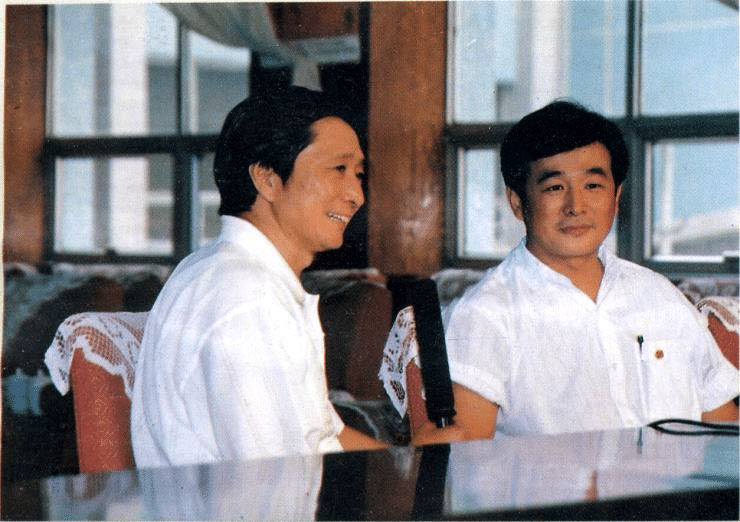
Prior to the Paris seminar, Falun Gong and Mr. Li have gained broad public acceptance in China, including among government agencies, officials, and state media.
Between May 1992 and the end of 1994, Mr. Li conducted 56 lecture series in over 20 cities across China. Each session usually lasted around 10 days, with total attendance exceeding 60,000 participants.
As many individuals reported improvements in health and moral well-being, the practice spread rapidly through word of mouth.
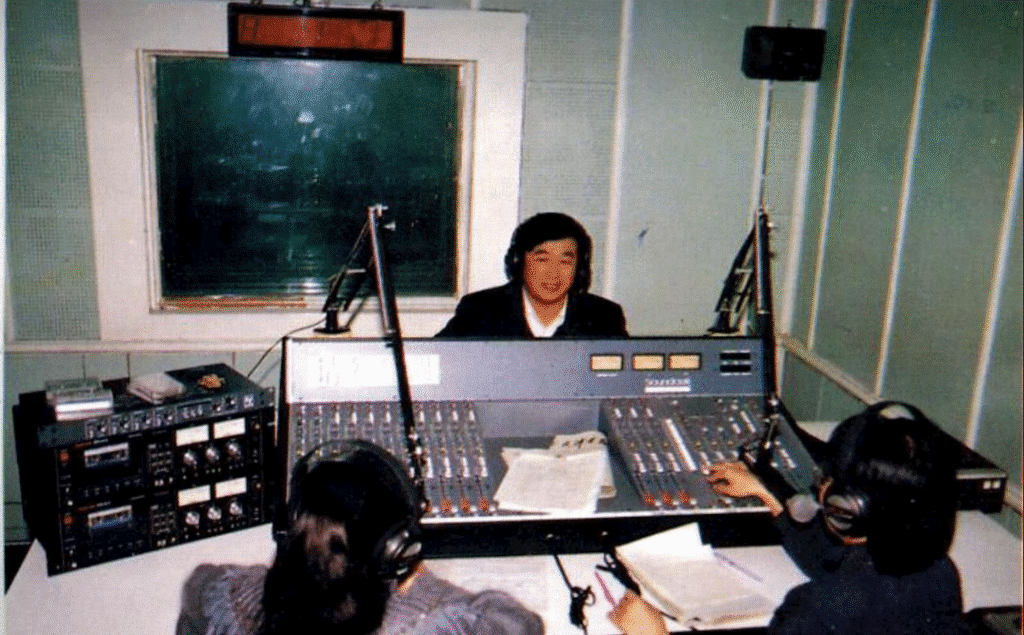
Mr. Li was also invited on multiple occasions to give interviews on television and radio, introducing Falun Gong to wider audiences.
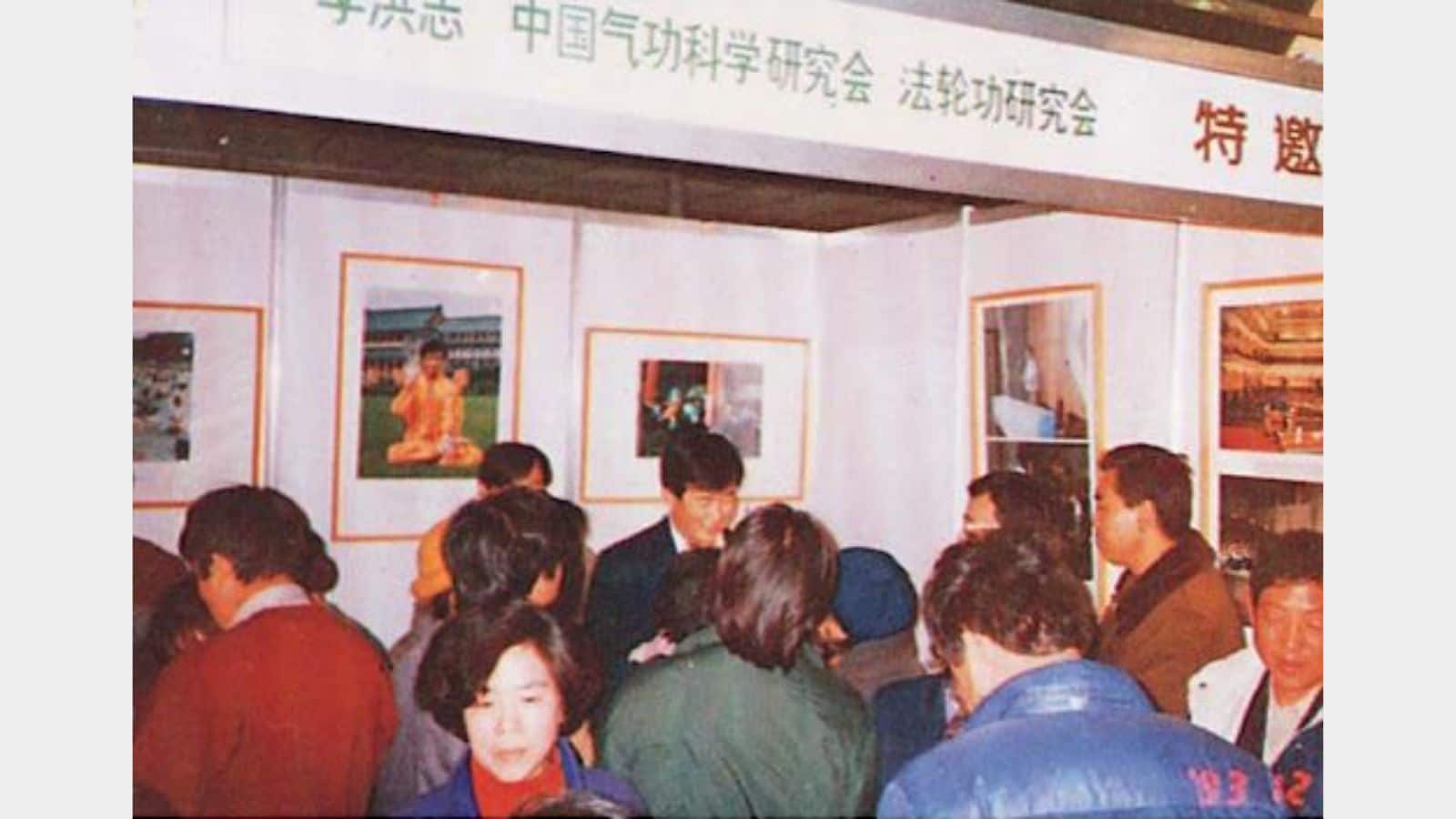
At the 1993 Beijing Oriental Health Expo held at the International Exhibition Center, Mr. Li received the Edge Science Progress Award—the event’s top honor. He was also awarded the Special Gold Prize and the title of “Qigong Master Most Accepted by People.”
The 1995 Paris seminar should be understood within this broader context of widespread acceptance prior to the policy reversal that began in 1999.
Early impact and legacy
The March 1995 seminar marked the beginning of Falun Dafa’s spread beyond China. In its immediate aftermath, participants in Paris began organizing group practice sessions in public spaces such as the Luxembourg Gardens. Similar gatherings soon appeared in other parts of France and gradually throughout Europe.
International expansion continued throughout the late 1990s, with Falun Dafa reaching communities in North America, the Asia-Pacific region, and beyond. Today, the practice is found in over 100 countries—from Boston to Berlin, Moscow to Mumbai, and Jerusalem to Jacksonville—with practitioners forming volunteer-run communities that organize exercise sites, workshops, and cultural events.
This global development took on added significance after July 20, 1999, when the Chinese Communist Party launched a nationwide campaign to suppress the practice. Despite arrests, imprisonment, and other forms of repression documented over the past decades, practitioners both inside and outside China have continued their activities.
Over roughly 27 years since the onset of the persecution, Falun Dafa has maintained an international presence, with adherents engaging in public awareness initiatives, cultural programs, and advocacy related to religious freedom and human rights.
Seen in retrospect, the Paris seminar of March 1995 was not merely a modest gathering of several dozen participants, but the starting point of a global trajectory—connecting an emerging spiritual practice in China with an international audience and laying the groundwork for its enduring worldwide presence.
The article references some reports below on Minghui.org: https://en.minghui.org/html/articles/2010/3/27/115628.html; https://en.minghui.org/html/articles/2020/4/16/184065.html; https://en.minghui.org/html/articles/2021/7/29/194339.html.
