
Popular YouTuber Exposes the CCP’s Covert Influence Operations Against Falun Gong

Tim Pool, host of the TimCast podcast (photo courtesy of Tim Pool / edited by the Falun Dafa Information Center).
A growing body of evidence indicates that the Chinese Communist Party (CCP) is actively manipulating social media platforms to spread disinformation against Falun Gong and Shen Yun. A recent article from The Populist Times and other sources has brought renewed attention to Beijing’s online influence operations. This follows an earlier revelation by Tim Pool, a conservative influencer whose YouTube channels have 4 million subscribers and 3 billion views. Pool disclosed in late 2024 that the CCP has been paying influencers to propagate anti-Falun Gong narratives—one facet of a much larger disinformation campaign.
On October 24, 2024, Pool recounted how he was personally approached with an offer to disseminate CCP-backed content. “The Falun Gong people were handing out flyers and stuff,” Pool explained, “and it’s funny because China started hiring YouTubers. They offered – I’m pretty sure I got offered this at one point – they said they’d give me $200 to post a video to my YouTube channel.”
The video featured a fabricated attack against Falun Gong, portraying the group in a negative light. Pool declined the offer but noted that others, enticed by the financial incentive, likely accepted. When his video was first published, the Falun Dafa Information Center (FDIC) highlighted it during an event and amplified it on social media.
‘Beijing’s playbook’ on full display
This attempt to manipulate social media aligns with a well-documented strategy that has also been employed by the CCP to spread falsehoods on topics ranging from mistreatment of Uyghurs to the origins of COVID-19. It is now being used against Falun Gong and Shen Yun, a classical Chinese dance company founded by Falun Gong practitioners.
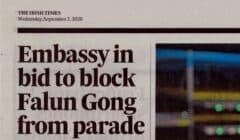
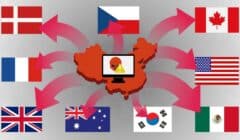
In recent months, the FDIC has tracked over 70 incidents of transnational repression linked to a reinvigorated CCP campaign against Falun Gong practitioners abroad. Central to the campaign have been efforts to influence social media and mainstream media content in an attempt to discredit the spiritual practice and its adherents. Beijing’s efforts to silence Falun Gong and Shen Yun have also included diplomatic pressure, harassment campaigns, violent threats, lawfare, and economic coercion.
In a recent enforcement action, X (formerly Twitter) removed a network of bot accounts engaged in a coordinated effort to spread disinformation about Falun Gong. The network, which included thousands of fake accounts, engaged in tactics such as mass-posting defamatory content, artificially boosting anti-Falun Gong narratives, and flooding replies to legitimate posts with derogatory comments. Analysis of the bot activity revealed patterns consistent with past CCP-linked disinformation campaigns.
Tim Pool’s revelations about attempts by CCP-linked individuals to bribe YouTubers underscores the need for continued vigilance against reported state-sponsored disinformation and more proactive measures from social media companies and social media influencers to prevent foreign authoritarian regimes from shaping public discourse through covert influence operations. Moreover, if U.S. influencers are knowingly disseminating CCP-backed disinformation without disclosure, it could raise legal risks and regulatory questions.