
“A Dangerous Milestone”: Toronto Theater Cancels Remaining Shen Yun Shows After Hoax Bomb Threat
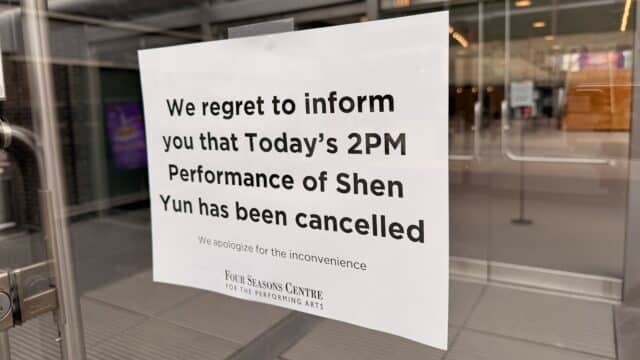
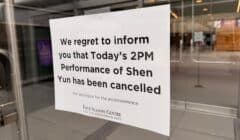
A sign taped on the front door of the Four Seasons Performing Arts Center on March 29, 2026, ahead of Shen Yun’s third scheduled performance in Toronto. (Cynthia Sun/Falun Dafa Information Center)
After police determined the threats were unfounded, the cancellation of Shen Yun’s remaining Toronto performances set what FDIC Executive Director Levi Browde called “a dangerous new milestone” in Beijing’s transnational repression campaign
TORONTO—A March 29 Shen Yun performance in Toronto was interrupted after an emailed bomb threat prompted an evacuation of the venue. Toronto police later determined the threat was unfounded. Two days later, the venue canceled the company’s five remaining performances, scheduled between April 1-5, citing an “escalating series of threatening messages” and saying the decision was made out of an abundance of caution.
According to the event presenter, Falun Dafa Association of Toronto (FDAT), the theatre did not share specific details of the “escalating threats” with them. Toronto police confirmed that, there were additional reports of threats on March 30, which were also “determined to be unfounded.”
For Levi Browde, executive director of the Falun Dafa Information Center, the implications of a whole run of shows being cancelled because of false alarm threats likely tied to the CCP extend far beyond one theater or one performing arts company.
“We’ve reached what I think is a dangerous new milestone in the Chinese regime’s transnational repression against the Falun Gong diaspora, including companies and organizations started by Falun Gong practitioners, such as Shen Yun Performing Arts,” Browde said.
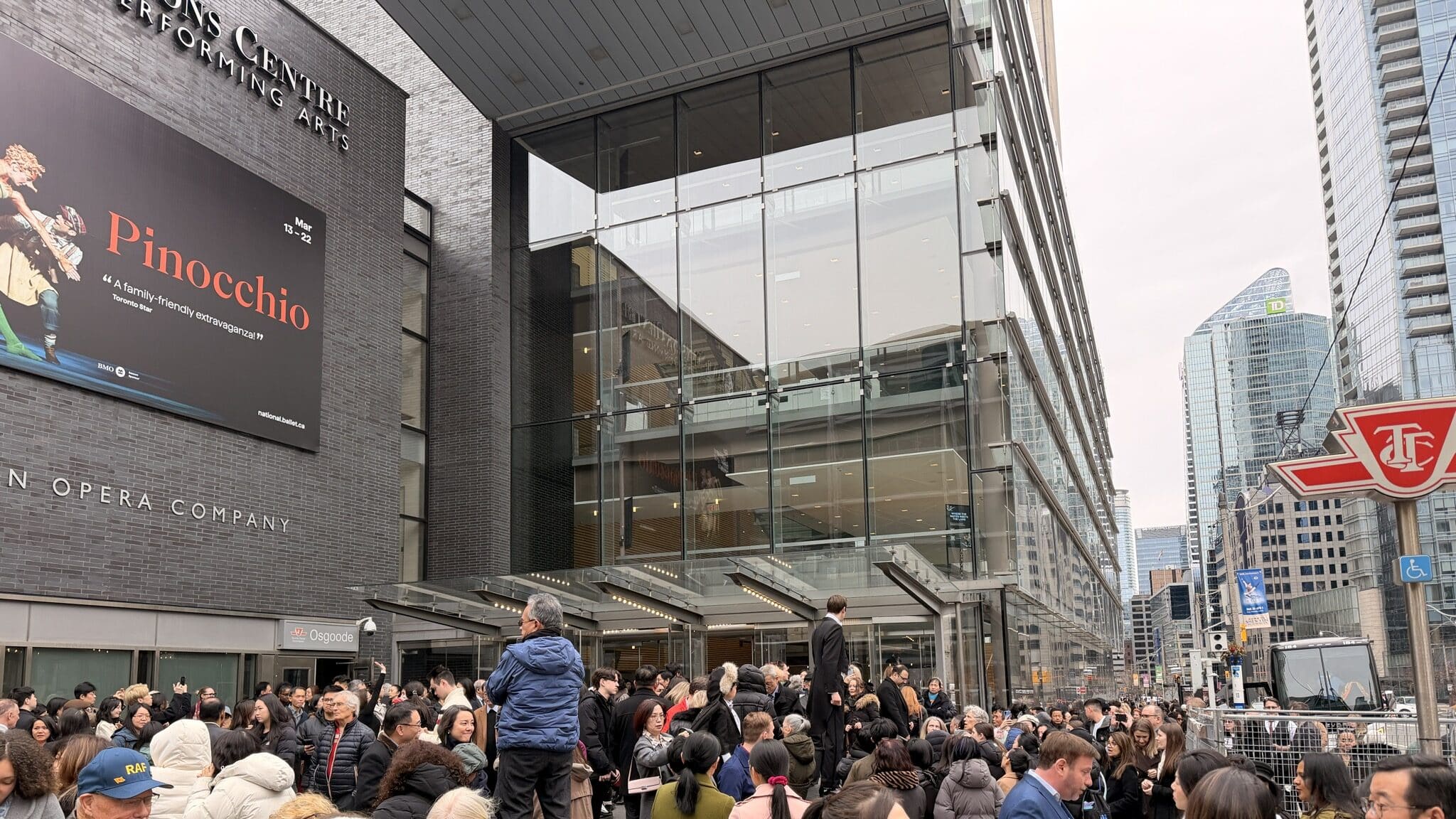
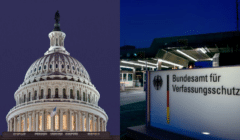
Since 2006, Shen Yun has faced threats, defamatory messaging, diplomatic pressure, and attempted venue interference in countries around the world. Yet in previous cases like France and Washington DC, performances continued after authorities investigated the threats and the theaters were deemed safe. In Toronto, by contrast, a hoax threat succeeded in shutting down the remainder of a major run.
Setting a dangerous precedent
The Toronto cancellations gave real effect to a tactic that fits the CCP’s broader campaign against Falun Gong and Shen Yun overseas. Research has shown that, under Xi Jinping, party authorities have continued to rank the Falun Gong crackdown as part of core regime-security work, and that since 2022 the campaign abroad has become more aggressive, combining threats, disinformation, lawfare, and institutional pressure.
“They’re scare tactics,” Browde said. “And these scare tactics are meant to control what stories we tell, what art we put on stage, what ideas we get to express.”
That is why Toronto matters: after police found no credible bomb threat, the hoax still helped stop the show—an outcome consistent with a strategy aimed at using fear and pressure to restrict Shen Yun’s ability to perform in free societies. “The idea that we would cower to these scare tactics and stop Shen Yun performing, I think, is a dangerous precedent in this transnational repression,” Browde said.
The bigger story
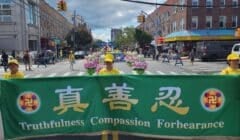
Falun Gong is a spiritual practice from the Buddhist tradition comprising meditation exercises and teachings that encourage believers to follow Truthfulness, Compassion, and Tolerance in their daily lives. In 1999, the CCP banned Falun Gong and launched a brutal campaign to stamp it out. Nevertheless, millions—even tens of millions—of people still practice Falun Gong in China, while hundreds of thousands more have taken up the discipline in over 100 countries around the world. It is thanks to this global diaspora that the Falun Gong community and artistic initiatives like Shen Yun have emerged as influential voices.
Shen Yun cites its mission as reviving traditional Chinese culture, spurring a renaissance of the very traditions and beliefs that the CCP has tried for decades to destroy. The CCP thus fears the impact that Shen Yun’s performances and Falun Gong practitioners grassroots activism can have within and outside China in undermining its legitimacy. This has spurred the regime to constantly engage in attempts to disrupt Falun Gong activities generally, and Shen Yun specifically.
The Toronto incident fits a broader pattern documented in recent years: defamatory embassy statements, pressure on theaters and public officials, anonymous bomb threats, and attempts to isolate or stigmatize Falun Gong practitioners and their institutions abroad.
In late 2025, 65 Canadian lawmakers condemned Beijing’s targeting of Falun Gong practitioners in Canada and warned of escalating transnational repression, including harassment, intimidation, disinformation, and threats linked to Shen Yun performances. Against that backdrop, the Toronto cancellations stand as one of the clearest recent examples of such repression producing its intended result.
Other cities stand firm
What happened in Toronto also contrasts with how other democratic societies have responded to similar campaigns. In Denmark earlier this year, the Chinese Embassy issued a public statement attacking Shen Yun and Falun Dafa ahead of performances in Copenhagen. Shortly afterward, the local organizer reportedly received a threatening message warning of danger to Danish officials if the shows went forward. Despite that pressure, the performances proceeded in March and April.
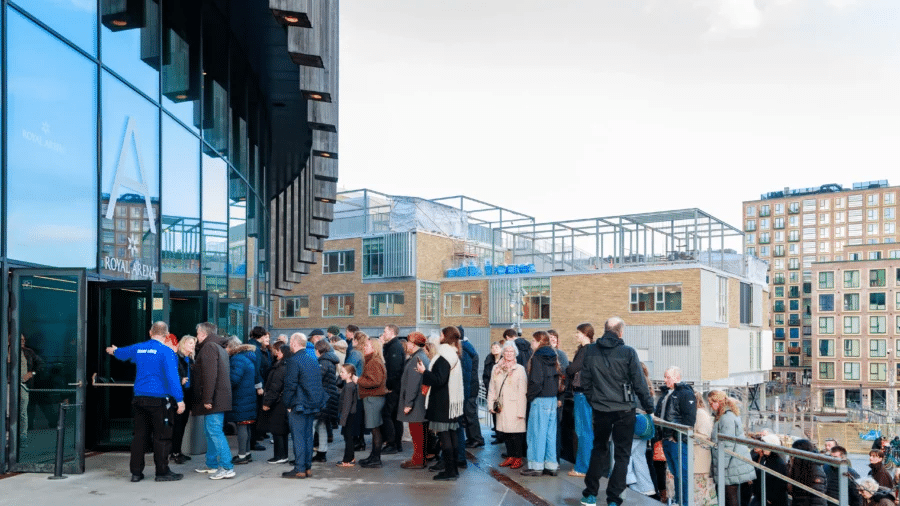
Authorities in countries including the United States, Taiwan, and France have treated similar threats seriously, strengthened security as needed, and protected public safety without allowing intimidation to shut down performances. But Toronto became a troubling exception: a series of hoax threats appears to have succeeded in shutting down an entire run.
When democratic societies allow such threats to stop lawful performances, they hand repressive actors an effective tool to restrict artistic expression beyond China’s borders. Toronto now risks becoming a case study in what happens when those scare tactics work.
‘Litmus test’ for freedom
Browde stressed that the implications reach far beyond Falun Gong or Shen Yun. “We have to understand what this really is,” he said. “This is really is not just about Falun Gong or even Shen Yun. This is a litmus test: to the extent to which we are willing to defend our freedoms of expression, our freedoms of speech, against the largest totalitarian regime on Earth that is extending its arm into our free countries and using scare tactics to try and get us to relinquish those freedoms.”
Toronto should be a wake-up call.
If democracies allow hoax threats to become an effective tool for canceling performances and silencing disfavored voices, the damage will not end with Shen Yun. The broader cost will be borne by the very freedoms democratic societies claim to protect.