
Persecution of Falun Gong Highlighted at 2026 IRF Summit
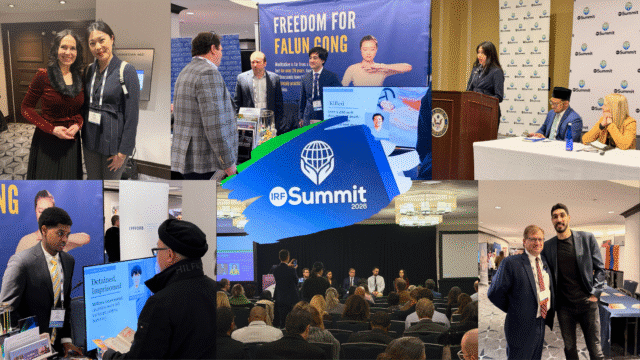
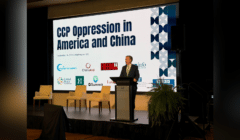
WASHINGTON—On February 2–4, 2026, the Falun Dafa Information Center participated in the sixth annual International Religious Freedom (IRF) Summit and related events in Washington, D.C., engaging over 1,700 attendees on the Chinese Communist Party’s campaign against Falun Gong and its expanding use of intimidation beyond China’s borders.
Speakers across the summit referenced Falun Gong and the persecution in China.
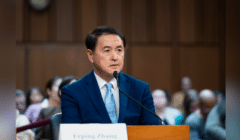
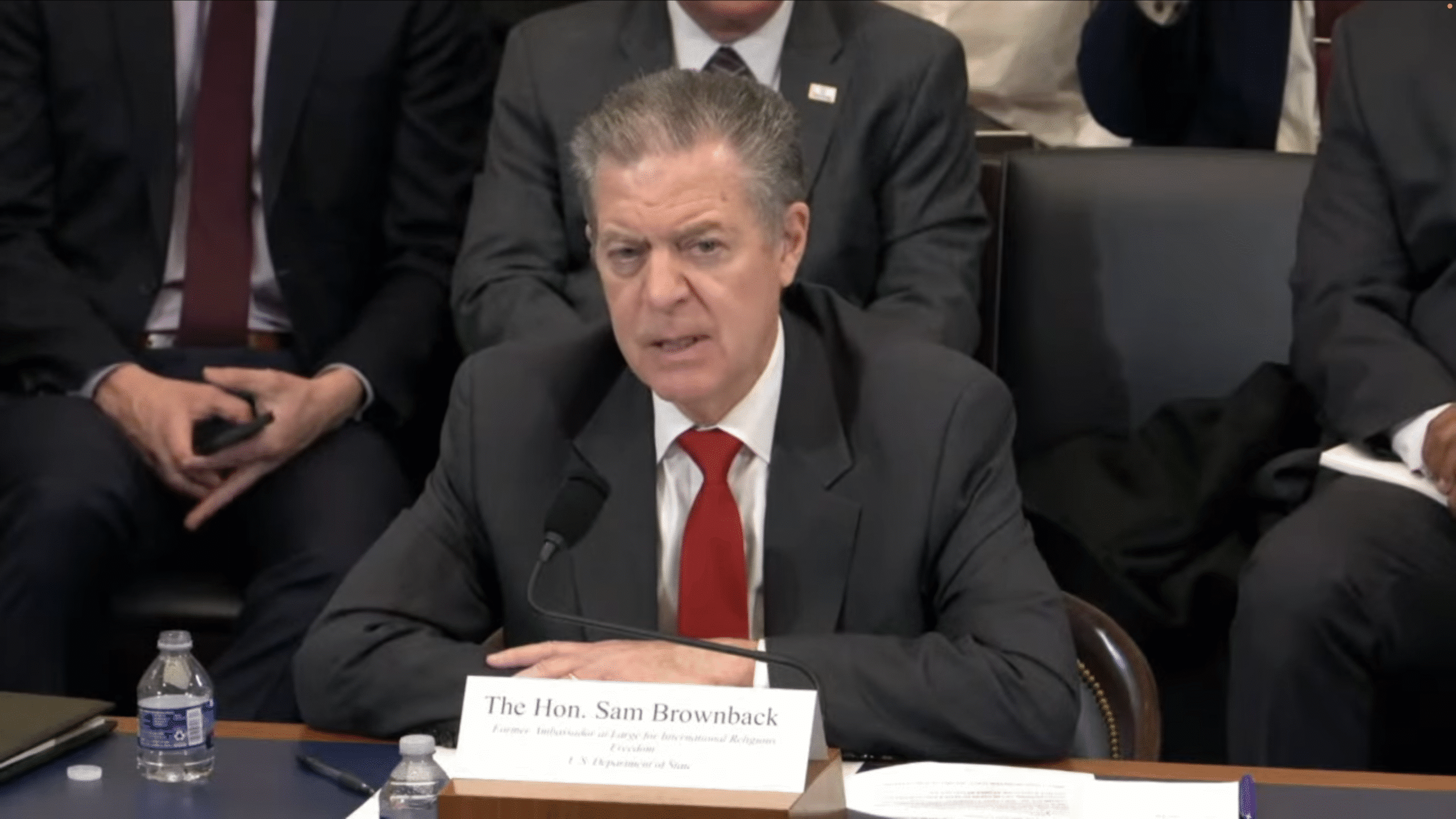
Notably, Amb. Sam Brownback, a co-chair of the summit, warned in congressional testimony on Feb. 4 that “Communist China spends billions every year inventing and deploying ever more sophisticated surveillance systems” to control people of faith, explicitly including “Falun Gong practitioners.”
Tech-driven transnational repression
Among the summit’s programming, the Center’s executive director Levi Browde addressed how emerging technologies and information operations can reshape transnational repression and accountability. He cited thousands of fake X bot accounts, paid social media influencers, and a slate of bomb threats targeting Falun Gong practitioners and the American government as tactics in the larger campaign by Beijing to silence the faith community abroad.
In recorded remarks, Browde described a pattern of online amplification and manipulation: “You see on YouTube…a lot of western YouTubers saying the same kind of script,” and noted that at least one content creator had “admitted that they were approached and paid, or offered money,” to produce anti-Falun Gong videos. Moreover, hundreds of documented death threats targeting Shen Yun Performing Arts, the larger Falun Gong faith community, and supporters point to a larger campaign of intimidation.
The human cost
In a separate panel, senior researcher Cynthia Sun discussed persecution red flags and potential accountability measures. In 2026, the persecution of Falun Gong is embedded at every level of the party-state: police and domestic security agents, prosecutors and judges, prison wardens and detention center officers. She pointed to propaganda as a major catalyst that disguises and distorts the human rights abuses as “public security.”
Consequently, the human cost has been devastating. “At least 5,302 Falun Gong practitioner deaths due to persecution have been documented,” noted Sun. “Between 2022 to 2025, over 15,000 practitioners were arbitrarily detained or harassed, with over 4,000 sentenced to prison terms of up to 15 years following sham trials. But the full scale is difficult to measure, what we observe is only the tip of the iceberg.”
Connected across communities
The common message—that repression in China is systemic and increasingly transnational—was reinforced by other speakers. Rushan Abbas, executive director of Campaign for Uyghurs, said: “Religious persecution thrives when it is treated as an isolated crisis rather than a global human rights emergency.” She mentioned the ongoing persecution of other communities, including Falun Gong practitioners, is both systemic and global in its consequences.
Rabbi Aharon Ariel Lavi, representing the Jewish community, spoke on behalf of Falun Gong at a multi-faith event organized by the IRF Summit in the Rayburn House Office Building.
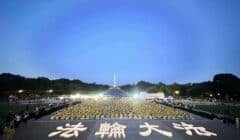
For 26 years, millions of Falun Gong practitioners in China have endured unspeakable cruelty. Simply for meditating and living by the values of truthfulness, forbearance, and compassion, they have faced torture, imprisonment, and even forced organ harvesting.
In 2025, the campaign showed no signs of slowing. Nearly 5,000 Falun Gong practitioners were reportedly detained or harassed. One of them was Chen Yan, a 45-year-old woman sentenced to five years for distributing flyers. She was sent to Liaoning Women’s Prison and beaten to death within three days. Her family, already struggling as her mother battled cancer, found marks of torture on her body. Her lawyer confirmed she had been assaulted until she vomited blood. Her story is just one of many.This persecution is not accidental. It is systemic. From police and prosecutors to courts and prisons, the Chinese party-state carries out repression with bureaucratic precision, while propaganda normalizes the violence and erases accountability.
And it doesn’t stop at China’s borders. In 2025, threats and harassment were reported across five continents. Over 220 death and bomb threats have been documented since 2024—some traced to Chinese actors, even targeting U.S. officials. Taiwan’s law enforcement linked several threats to the Huawei Research Institute. In Finland, a former Hong Kong official made threats on camera toward Falun Gong practitioners.
Yet amid this darkness, courage shone through. In May 2025, the U.S. House passed the Falun Gong Protection Act by unanimous voice vote. And after ten years apart, UNHCR-recognized refugee Tom Hua reunited with his wife and daughter in the U.S.—sharing their first Thanksgiving together.
As a Jew, I know the trauma of state persecution. That’s why I stand with the Falun Gong community—not out of pity, but out of principle.
At the Falun Gong booth, attendees also shared why the issue resonated with them personally. Meredith, a young woman, said she began researching forced organ harvesting after attending the inaugural IRF Summit and hearing from the Center about the issue. She described Falun Gong as “a core” pillar of the summit.
Another attendee, an older man, was surprised when he realized he had previously learned Falun Gong in China during his time abroad in the country. After seeing the photos at the booth, he wanted to learn more about the meditation, recalling how peaceful the practice made him feel at the time.
Urging accountability
Following the summit, the February 4 House Foreign Affairs hearing where Brownback testified extended the summit’s emphasis on concrete policy responses and the strategic importance of religious freedom. In his testimony, he argued that religious freedom “supports our allies and terrifies our enemies,” and framed it as a strategic asset in countering authoritarian repression.
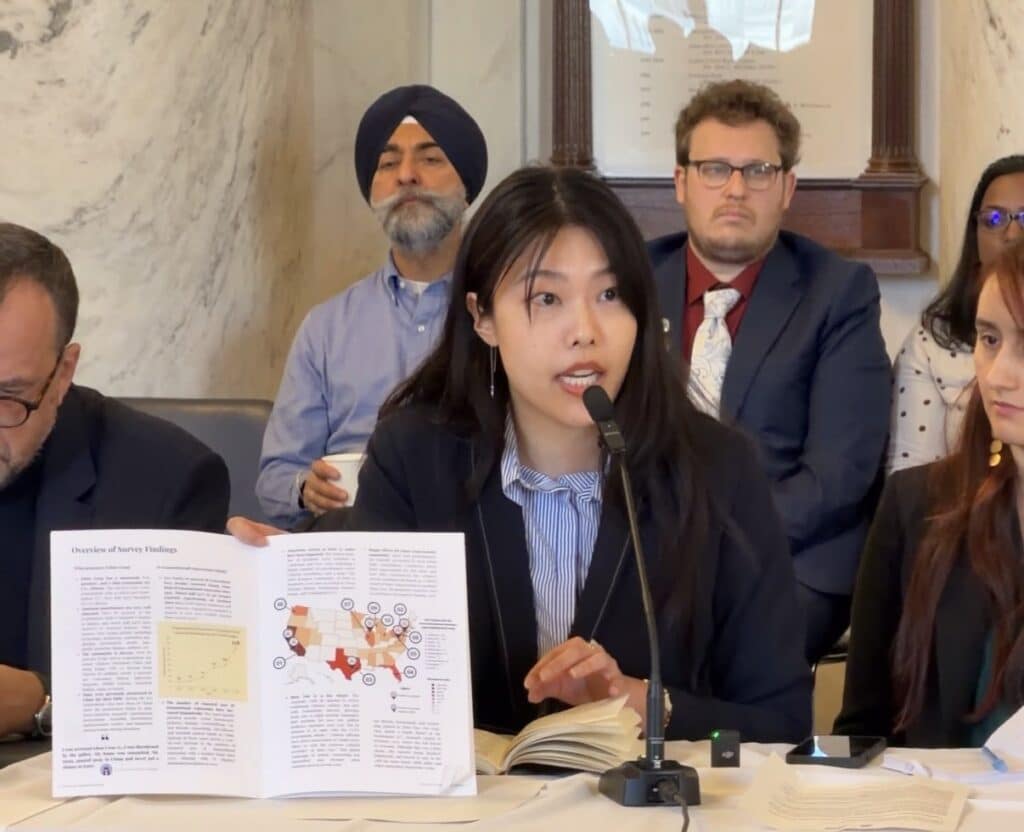
Simultaneously, Cynthia Sun spoke about Beijing’s transnational repression at the IRF Roundtable in the Senate Russell Office Building. Among the cited evidence, she mentioned disturbing emails that contained “graphic images of knives” and acts of violence against Americans who practice Falun Gong. Another also included threats to “kidnap children in our community and throw them from a high building. These terrorist threats match Beijing’s repression playbook to a tee.” Sun urged the current administration to continue in the footsteps of the previous two administrations, and use targeted sanctions to bring accountability to the Chinese officials behind this campaign.
Taken together, IRF Summit 2026 sessions and side conversations highlighted a consistent theme: when technology, propaganda, and legal systems are used to suppress belief at scale, the harm spreads ruthlessly across communities and borders. Countering the persecution of Falun Gong requires meaningful accountability, coordinated policy, and continued documentation.