



- Falun Gong, also known as Falun Dafa, is a spiritual practice in the Buddhist tradition. Falun Gong combines meditation and gentle exercises with a moral philosophy centered on the tenets of Truthfulness, Compassion, and Tolerance. Although introduced to the public in China in 1992, its roots extend back thousands of years.
- LEARN MORE

- In 1999, there were 100 million people practicing Falun Gong in China. Because of its popularity and independence, communist leader Jiang Zemin ordered the practice be “eradicated.” Millions have been detained or imprisoned. Over 100,000 have been tortured or abused in custody, and thousands have died from torture in custody.
- LEARN MORE

- Since Falun Gong’s introduction in China in 1992, the practice has spread to 100+ countries, transcending barriers of culture, language, and ethnicity. Practice sites are anywhere from Central Park to the beaches of Togo in Africa. Despite differences, what motivates these diverse individuals to practice, and what unites them?
- LEARN MORE


- From ancient roots extending back thousands of years, to a house-hold name in China during the qigong boom in the 1990s, to the largest group of prisoners of conscience in the world, to an unprecedented grassroots movement throughout China. Learn the real story of Falun Gong.
- Read the Falun Gong story
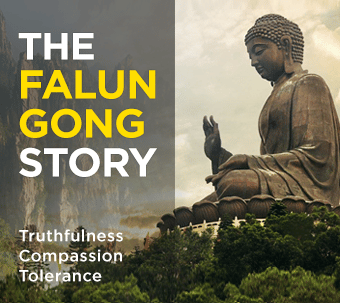
From ancient roots extending back thousands of years, to a house-hold name in China during the qigong boom in the 1990s, to the largest group of prisoners of conscience in the world, to an unprecedented grassroots movement throughout China. Learn the real story of Falun Gong.


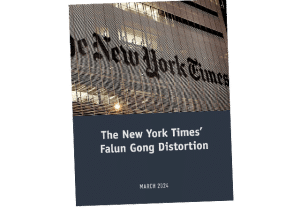
The New York Times has repeatedly failed to cover atrocities against Falun Gong, while amplifying Chinese Communist Party (CCP) propaganda about the community, with devastating results. A new study by the Falun Dafa Information Center found that the agenda-setting newspaper has significantly and irresponsibly distorted the story of Falun Gong.
News
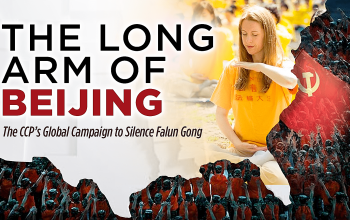
For more than 20 years, the long arm of Beijing has targeted Falun Gong in the United States and around...
04-15-2024 |
TRANSNATIONAL REPRESSION







Your Voice Can Help End the Persecution
Tens of millions remain at risk. Give voice to those who have none.
Voices of Support










Featured Stories
Absent that morning was what made the plot of pines and dirt normally so alive—its people.


CCP ideology of "struggle" spurred corruption and violence. Confucius would not be pleased.

It is an idea with staying power. A belief as old as Chinese civilization itself.

Anne Yang, 25, sat staring at the news displayed across her computer screen. She began to cry.